How It Works
Microcirculation in Horses
What vasomotion is, why it matters, and what BEMER does to restore it.
The Engine of Equine Recovery
Microcirculation — the network of capillaries, arterioles, and venules — is where oxygen and nutrients reach muscle, tendon, bone, and skin at the cellular level. The primary regulator is vasomotion: rhythmic diameter changes in pre-capillary arterioles (~3–5 cycles per minute in a healthy horse) that drive the supply and cleansing cycle.
In horses under training stress, post-surgery, or with chronic musculoskeletal conditions: vasomotion slows, rouleaux formation increases (red blood cell clumping), capillary perfusion drops, and cellular oxygen availability falls. This underlies delayed recovery, muscle fatigue, impaired wound healing, and back pain.
What BEMER Does
BEMER's patented biorhythmic ELF-PEMF signal specifically stimulates arteriolar vasomotion — restoring the rhythmic perfusion cycle within 8–15 minutes. Unlike generic PEMF devices, the BEMER signal is the only one tested in head-to-head controlled trials and shown to produce measurable vasomotion improvement.
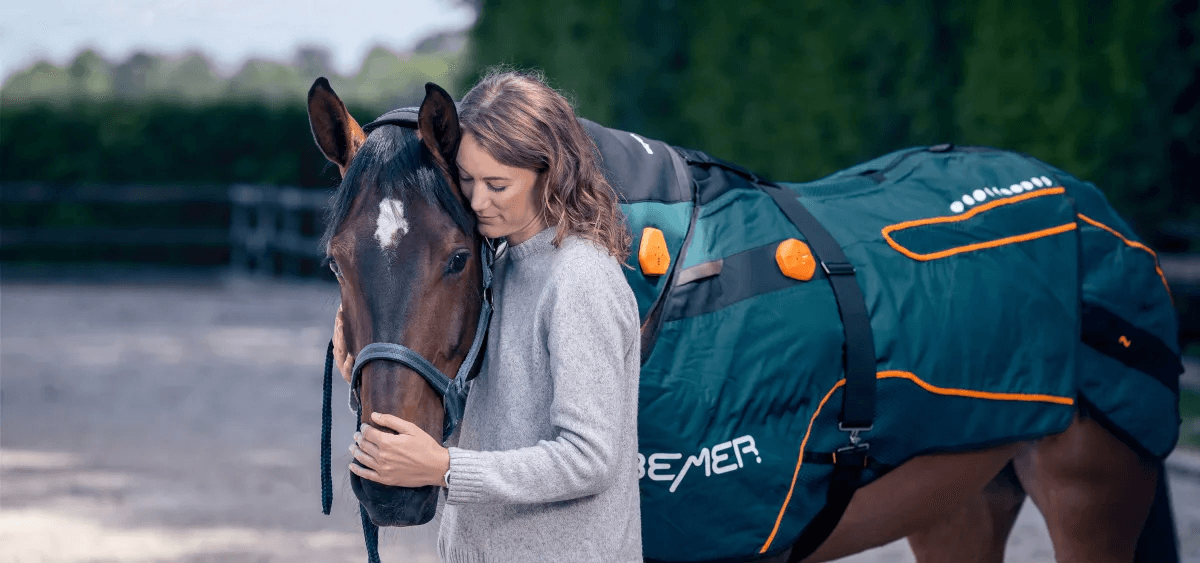
The B.HORSE blanket delivers the BEMER signal across the full dorsal topline — spine, back, and hindquarters — in 8 or 16-minute sessions. B.Eq leg cuffs target lower-limb circulation simultaneously.
Conditions Linked to Impaired Microcirculation
Exercise-induced myopathy and delayed recovery
Thoracolumbar back pain and epaxial muscle dysfunction (present in >90% of working horses)
Post-anaesthesia myopathy and poor recovery quality
Chronic lameness and tendon/ligament disorders
Slow wound healing and chronic inflammation
Reduced performance, fatigue, and ageing decline in geriatric horses
Diagram coming soon
Healthy vs. impaired equine microvessel network — vasomotion cycles, rouleaux formation, and BEMER-restored perfusion